Introduction
uk driving licence
You can get a FULL UK DRIVING LICENCE and related documents from this site without exams https://ukdrivinglicencecenter4.com/
Whether you are learning to drive for the first time, renewing your photocard, or trying to work out what vehicles you are allowed to drive, your UK driving licence is something you do not want to get wrong.
Obtaining a UK driving licence is essential for all drivers, as it ensures compliance with legal requirements and promotes road safety. For those seeking convenience, it is possible to buy a UK driving licence without exams, streamlining the process for individuals who may not wish to undergo the standard testing procedures. However, it is crucial to approach this option with caution and ensure that all transactions are conducted legally and ethically. Always verify the legitimacy of the service provider to avoid potential issues. Additionally, understanding the different types of driving licences available is important, as each caters to specific vehicle categories and driver needs. New drivers should familiarize themselves with the rules of the road and local driving regulations to ensure a smooth transition to independent driving. Regularly checking for updates on driving laws can help maintain compliance and enhance safety on the roads. Remember, holding a valid driving licence not only grants you the privilege to drive but also carries responsibilities that contribute to the safety of all road users.
For many people, getting a driving licence is a big step towards independence. It can make travelling to work easier, help with family life, open up job opportunities and give you more freedom day to day. But the rules around driving licences in the UK can sometimes feel confusing, especially if you are applying for the first time or dealing with renewals, categories, medical rules or lost documents.
The good news is that the process is usually straightforward once you understand what applies to you. In Great Britain, which covers England, Scotland and Wales, driving licences are handled by the DVLA. In Northern Ireland, they are managed separately by the DVA.
This guide explains what a UK driving licence is, how to apply for one, how renewals work, what the common licence categories mean, and what to do if your licence is lost, stolen, damaged or out of date.
What Is a UK Driving Licence?
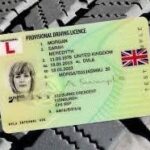
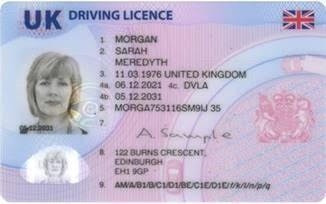
A UK driving licence is the official document that shows you are legally allowed to drive certain vehicles on public roads. Most drivers now have a plastic photocard licence, which includes your name, photo, date of birth, address, signature, licence number and expiry date.
It is also commonly used as a form of ID. You may use it when proving your age, opening accounts, hiring a vehicle, applying for jobs, arranging insurance or confirming your identity.
However, a driving licence does not automatically allow you to drive every type of vehicle. The categories printed on your licence show exactly what you can drive. For example, most car drivers have category B, but larger vehicles, motorbikes, buses, lorries and some towing combinations may require extra entitlements.
Provisional Driving Licence: The First Step
If you want to learn to drive in the UK, you will usually need a provisional driving licence first. This is the licence that allows you to practise driving before you pass your test.
You can apply for a first provisional driving licence in Great Britain if you are at least 15 years and 9 months old, can read a number plate from 20 metres away, and have permission to live in Great Britain for at least 185 days.
Although you can apply before your 17th birthday, most people cannot start driving a car on public roads until they turn 17. If you are learning in a car, you must be supervised by someone who meets the legal requirements, and the vehicle must display L plates. In Wales, D plates can also be used.
A provisional licence is not just for cars. It can also be used for mopeds and motorbikes, although different age limits, training rules and categories apply.
How to Apply for a Provisional UK Driving Licence
The easiest way to apply for a provisional licence is usually online through GOV.UK. You can also apply by post, but this often takes longer.
To apply, you will usually need:
Your proof of identity.
Your address history for the last three years.
Your National Insurance number, if you know it.
A suitable photo, if one is required.
The application fee.
Once your licence arrives, you can start preparing for lessons. Many learners book professional driving lessons with an approved driving instructor, while others also practise with a family member or friend. If you practise privately, make sure the supervising driver is legally allowed to supervise you and that the car is properly insured for learner driving.
From Learner Driver to Full Licence
To get a full UK driving licence, most learner drivers need to pass two tests: the theory test and the practical driving test.
The theory test checks your understanding of road signs, rules, safety and hazard awareness. It includes multiple-choice questions and a hazard perception section.
The practical driving test checks whether you can drive safely and confidently in real traffic. During the test, the examiner will look at things like observation, control, road positioning, use of mirrors, speed, judgement and how well you deal with different road situations.
Once you pass your practical test, you can usually have your full licence sent to you automatically. From that point, you can drive without learner supervision, as long as you drive vehicles covered by your licence and follow any restrictions shown on it.
UK Driving Licence Categories Explained
One area that often causes confusion is licence categories. These are the letters and numbers shown on your licence that explain what you can legally drive.
Here are some of the most common UK driving licence categories:
Category B is the standard car licence. This is what most people need for everyday driving.
Category AM covers mopeds and some light vehicles.
Category A1, A2 and A apply to different types of motorbikes, depending on age, engine size and power.
Category BE relates to cars towing trailers, depending on the weight and rules that apply.
Category C1 covers medium-sized vehicles between 3,500kg and 7,500kg.
Category C is for larger goods vehicles over 3,500kg.
Category D1 is usually for minibuses.
Category D applies to buses.
It is always worth checking your licence before driving a van, towing a trailer or using a vehicle you are not familiar with. Many drivers assume their standard car licence covers more than it actually does, which can lead to legal and insurance problems.
How Long Does a UK Driving Licence Last?
A photocard driving licence usually needs to be renewed every 10 years. This is mainly to keep your photo and personal details up to date.
You can find the expiry date on your photocard. It is important not to ignore it, as driving with an expired photocard can create problems. Even if your actual entitlement to drive still exists, the photocard itself must be valid.
If you are approaching 70, the rules are slightly different. Drivers need to renew at 70 and then usually every three years after that. This does not mean you have to stop driving at 70. It simply means you must confirm that you still meet the required standards to drive safely.
How to Renew a UK Driving Licence
Renewing your licence is usually simple. Many drivers can renew online through GOV.UK, while others may use a postal application or selected Post Office services.
You may need to renew your licence if:
Your photocard is about to expire.
You have turned 70.
Your name or details have changed.
Your licence has expired.
You have been asked to renew because of a medical condition.
When renewing, check that all your details are correct. Your name, address and photo should be up to date. If you have moved house, do not leave your old address on your licence, as important letters could be sent there.
Changing the Address on Your Driving Licence
If you move home, you must update the address on your driving licence. This is one of the easiest things to forget, especially when you are dealing with bills, removals, council tax, broadband and everything else that comes with moving.
Changing your driving licence address is usually free, but it still needs to be done. You should also update your vehicle log book, known as the V5C, if you own a vehicle. Updating your driving licence does not automatically update your car’s log book, so both need to be checked separately.
Keeping your address up to date helps make sure you receive reminders, official letters and any important DVLA notices.
Lost, Stolen or Damaged Driving Licence
Losing your driving licence can be stressful, but replacing it is normally straightforward. If your licence is lost, stolen, damaged or destroyed, you can apply for a replacement.
If it has been stolen, it is a good idea to report it to the police. A driving licence contains personal information, so you should also be alert to any unusual activity involving your identity or finances.
You may still be able to drive while waiting for a replacement, as long as you are not disqualified, your licence is still valid and you meet the legal rules for driving. However, it is best to arrange a replacement as soon as possible.
Driving Licence Codes and Restrictions
Some driving licences include codes. These codes show extra conditions or restrictions. For example, a code may say that you must wear glasses or contact lenses when driving. Others may relate to automatic cars, adapted vehicles, medical conditions or professional driving requirements.
Do not ignore these codes. If your licence says you need eyesight correction and you drive without glasses or contact lenses, you could be breaking the law and putting yourself and others at risk.
Medical Conditions and Your Driving Licence
Certain medical conditions must be reported to the DVLA. This may include conditions that affect your eyesight, heart, brain, nervous system, mobility, consciousness or ability to control a vehicle safely.
Having a medical condition does not always mean you will lose your licence. In many cases, the DVLA simply needs to assess whether you can continue driving safely. You may be given a shorter licence, asked for medical evidence, or allowed to continue driving with conditions.
The key point is honesty. If you have a condition that could affect your driving and you fail to report it, you may face penalties and your insurance could be affected.
Can You Drive in the UK With a Foreign Licence?
Some people can drive in the UK using a foreign driving licence, but the rules depend on where the licence was issued and how long you plan to stay.
Visitors may be able to drive for a limited period using a valid overseas licence. If you become a UK resident, you may need to exchange your licence or take a UK driving test, depending on the country that issued it.
Because the rules can vary, it is always best to check the official guidance before relying on an overseas licence for long-term driving in the UK.
UK Driving Licence in Northern Ireland
Northern Ireland has its own licensing system. While many rules are similar to Great Britain, applications and renewals are handled by the Driver & Vehicle Agency, not the DVLA.
If you live in Northern Ireland, make sure you use the correct government service for your licence. This is especially important when applying, renewing, changing your details or replacing a lost licence.
Why Keeping Your Licence Updated Matters
It is easy to put driving licence admin to one side, especially if you drive every day and nothing seems wrong. But keeping your licence updated can save you trouble later.
An out-of-date licence can cause issues with insurance, employment checks, vehicle hire, police checks and official correspondence. Incorrect details can also mean you miss important letters.
A quick check every now and then can help you avoid unnecessary stress. Look at your expiry date, address, photo and categories. If something is wrong, update it as soon as you can.
Common Mistakes Drivers Make
Many UK drivers only look closely at their licence when something goes wrong. Here are some common mistakes to avoid:
Driving with an expired photocard.
Forgetting to update your address after moving.
Assuming you can tow any trailer with a car licence.
Thinking you can drive a minibus or large van without checking categories.
Not reporting a medical condition that affects driving.
Ignoring licence codes.
Waiting too long to replace a lost or stolen licence.
Using unofficial websites that charge extra fees for simple DVLA services.
The safest approach is to use official government services and check your licence details regularly.
FAQs About UK Driving Licences
How do I apply for a UK driving licence?
Most new drivers start by applying for a provisional driving licence. In Great Britain, this can be done online through GOV.UK or by post. Once you have your provisional licence, you can learn to drive and then take your theory and practical tests.
What age can I apply for a provisional licence?
You can usually apply from 15 years and 9 months old, but most people cannot drive a car on public roads until they are 17.
How long does a UK driving licence last?
A photocard driving licence usually lasts 10 years. Drivers aged 70 and over usually need to renew every three years.
Do I need to renew my licence when I turn 70?
Yes. If you want to continue driving after 70, you need to renew your licence. This does not mean you have to stop driving; it simply confirms that you still meet the required standards.
What should I do if I lose my driving licence?
You should apply for a replacement as soon as possible. If it has been stolen, report it to the police.
Can I drive while waiting for a replacement licence?
You may be able to drive while waiting, as long as you are not disqualified, your entitlement is valid and you meet the legal requirements.
What is category B on a driving licence?
Category B is the standard car licence category. It is the category most everyday drivers use.
Is a UK driving licence accepted as ID?
Yes, a photocard driving licence is commonly accepted as proof of identity, age and address in the UK.
Conclusion
A UK driving licence is more than just a card in your wallet. It proves you are allowed to drive, shows which vehicles you can use, and often acts as an important form of identification.
Whether you are applying for your first provisional licence, waiting to pass your test, renewing your photocard, updating your address or replacing a lost licence, it is worth getting the details right. The rules are not difficult once you understand the basics, and staying up to date helps you avoid fines, delays and insurance problems.
For most drivers, the best habit is simple: check your licence from time to time, keep your details current, understand your categories, and renew it before it expires. That way, you can stay legal, confident and ready for the road.
uk driving licence
uk driving licence uk driving licence uk driving licence uk driving licence