UK Driving Licence: Everything You Need to Know in 2026
YOU CAN BUY A UK DRIVING LICENCE ON ukdrivinglicencecenter4.com
UK driving licence is more than just a card that allows you to drive. It is an official document that proves your driving entitlement, confirms your identity, and is often used as a form of identification in everyday situations. Whether you are a new driver preparing for your first licence, someone moving to the UK, or an experienced motorist needing to renew your details, understanding how UK driving licences work can save you time and unnecessary stress.
The process of getting and managing a driving licence in the UK may seem complicated at first. With different licence categories, rules, renewal requirements, and DVLA procedures, many drivers find themselves searching for answers online. Thankfully, once the basics are clear, managing your licence is usually straightforward. Humans have somehow managed to put paperwork around the simple act of proving you can operate a vehicle, but at least the system is becoming increasingly digital.
This complete guide explains everything you need to know about a UK driving licence, including how to apply, renew, change details, replace a lost licence, and check your driving record.
What Is a UK Driving Licence?
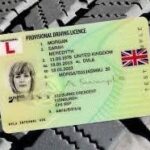
A UK driving licence is a legal document issued by the relevant driving authority that allows an individual to drive certain types of vehicles on public roads.
In Great Britain, driving licences are issued by the Driver and Vehicle Licensing Agency (DVLA). In Northern Ireland, licences are managed by the Driver & Vehicle Agency (DVA).
A driving licence confirms:
- Your identity
- Your driving categories and vehicle entitlements
- Any restrictions or conditions attached to your licence
- Your photograph and personal details
A valid driving licence is required before you can legally drive on UK roads.
Types of UK Driving Licences
There are several types of driving licences in the UK depending on the vehicle you want to drive.
Provisional Driving Licence
A provisional licence is the first step for most new drivers. It allows you to learn to drive on public roads under certain conditions.
You can apply for a provisional driving licence if you:
- Are at least 15 years and 9 months old
- Can read a number plate from the required distance
- Meet UK residency requirements
However, you must usually be 17 years old before you can drive a car on public roads.
A provisional licence allows you to:
- Take driving lessons
- Practise driving with a qualified supervisor
- Book your theory test
- Take your practical driving test
Full UK Driving Licence
A full driving licence is issued after you successfully pass both:
- The theory test
- The practical driving test
Once you pass, you can legally drive vehicles within the categories shown on your licence.
The standard car category is Category B, which allows you to drive most ordinary cars.
Other Driving Licence Categories
The UK driving licence system includes categories for different vehicles, including:
- Motorcycles
- Vans
- Large goods vehicles (LGVs)
- Buses and coaches
- Agricultural vehicles
Each category has specific requirements, tests, and age restrictions.
How to Apply for a UK Driving Licence
Applying for a UK driving licence usually starts with getting a provisional licence.
You can apply online through the official government service or by post.
You will normally need:
- A valid form of identity
- Your National Insurance number (if available)
- Your address history
- A recent photograph (depending on your application method)
After receiving your provisional licence, you can begin learning to drive and prepare for your tests.
UK Driving Licence Theory Test
Before taking your practical driving test, you must pass the theory test.
The theory test checks whether you understand:
- Road signs
- Traffic rules
- Safe driving practices
- Hazard awareness
The test includes two main sections:
Multiple Choice Questions
You answer questions about driving rules, road safety, and the Highway Code.
Hazard Perception Test
You watch video clips showing different driving situations and identify developing hazards.
Passing the theory test is essential before you can book your practical driving test.
UK Driving Licence Practical Test
The practical test assesses whether you can drive safely and confidently in real traffic conditions.
During the test, the examiner checks your ability to:
- Control the vehicle
- Follow road signs
- Make safe decisions
- Perform manoeuvres
- Drive independently
You may also be asked a “show me, tell me” vehicle safety question to demonstrate basic knowledge of your car.
After passing, your full driving licence will usually be sent automatically.
How to Renew a UK Driving Licence
Most UK driving licences need to be renewed every 10 years. This mainly applies to the photograph on your photocard licence.
You should renew your licence before it expires to avoid problems.
You may need to renew your driving licence if:
- Your photocard has expired
- Your personal details have changed
- Your photograph needs updating
- You reach certain age requirements
Renewing online is usually the quickest option.
How to Change Your Address on a UK Driving Licence
If you move house, you must update your address with the DVLA.
Changing your address is free and can usually be completed online.
You will need:
- Your driving licence number
- Your new address
- Personal identification details
Keeping your address updated is important because incorrect information on your licence could result in a fine.
Remember that changing your driving licence address does not automatically update your vehicle registration details. You may also need to update your V5C logbook separately.
How to Replace a Lost or Damaged UK Driving Licence
If your driving licence has been lost, stolen, or damaged, you should apply for a replacement as soon as possible.
You can usually apply online if you meet the requirements.
You may need:
- Your personal details
- Your driving licence information
- Identity confirmation
Driving without a valid licence document can create unnecessary complications, especially if you need to prove your entitlement.
Checking Your UK Driving Licence Details
Drivers can check their driving licence information online.
The online service allows you to view details such as:
- Licence validity
- Driving categories
- Penalty points
- Expiry dates
Checking your record can be useful before hiring a car, applying for certain jobs, or confirming your driving status.
Penalty Points and UK Driving Licences
Penalty points are added to driving records when motorists commit certain offences.
Common reasons for receiving points include:
- Speeding
- Using a mobile phone while driving
- Dangerous driving offences
- Traffic violations
Too many penalty points can lead to disqualification from driving.
New drivers should be especially careful because stricter rules apply during the first two years after passing the driving test.
Driving in the UK With an Overseas Licence
Many people moving to the UK want to know whether they can drive using their existing licence.
The rules depend on:
- Which country issued your licence
- How long you have lived in the UK
- Your visa or residency status
Some international licences can be exchanged for a UK licence, while others may require drivers to pass UK driving tests.
It is important to check the specific rules that apply to your situation.
Common UK Driving Licence Mistakes to Avoid
Many drivers make simple mistakes that cause delays or problems.
Common examples include:
Not Updating Personal Information
If you change your address or name, update your licence details promptly.
Letting Your Licence Expire
Driving with an expired licence can create legal issues.
Applying Through Unofficial Websites
Always use official government services for licence applications and updates. Some websites charge unnecessary fees for basic government services. Apparently, even paperwork now has fake “premium shortcuts.”
Forgetting Vehicle Documents
Your driving licence and vehicle documents are separate. Keep both updated.
Why Keeping Your UK Driving Licence Updated Matters
A current driving licence helps ensure:
- Your personal information is accurate
- You receive important DVLA communication
- Your driving entitlement remains clear
- Insurance and vehicle checks run smoothly
It also helps avoid unnecessary fines and administrative problems.
Final Thoughts
A UK driving licence is an essential document for anyone who drives in Britain. Whether you are applying for your first provisional licence, upgrading to a full licence, renewing your details, or checking your driving record, understanding the process makes everything easier.
The key things to remember are simple:
- Apply through official government services
- Keep your details updated
- Renew your licence when required
- Understand your driving categories
- Follow UK road safety rules
Managing your driving licence does not need to be complicated. With the right information, most tasks can be completed quickly online, leaving you more time for the important part: actually driving.