
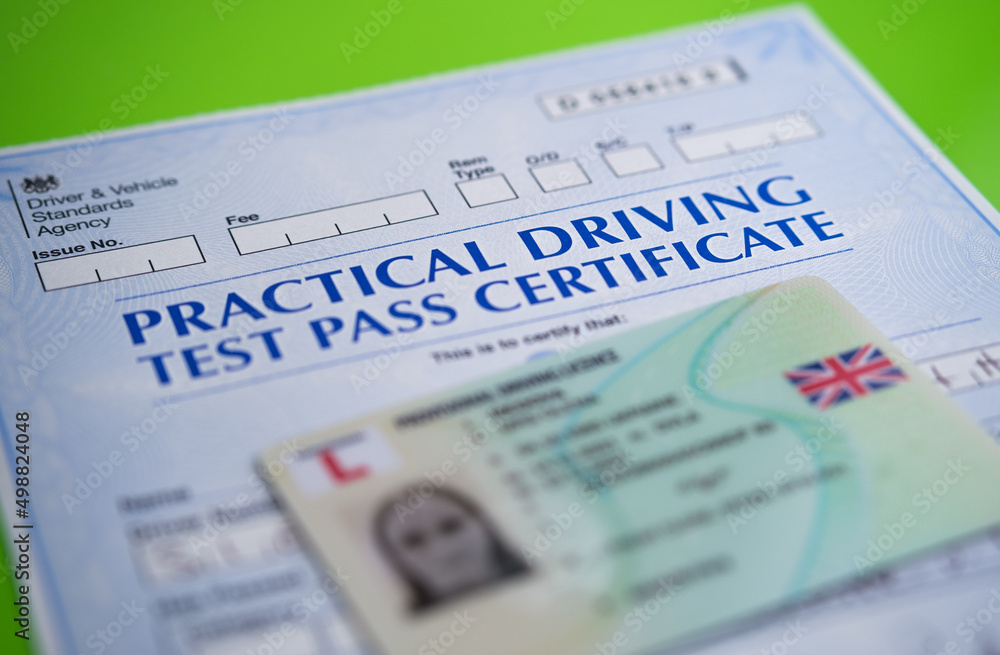
over 70s uk driving licence changes
You can get a FULL UK DRIVING LICENCE and related documents from this site without exams https://ukdrivinglicencecenter4.com/
Over 70s UK Driving Licence: Complete Guide to Changes, Renewals & Requirements in 2026
As the UK population ages, with millions of drivers over 70 still active on the roads, understanding DVLA rules for older motorists has never been more important. Turning 70 marks a significant shift in driving licence validity — from the standard 10-year photocard to mandatory renewal every 3 years. While core requirements remain stable, ongoing discussions around road safety, an ageing population, and potential reforms like mandatory eyesight tests continue to shape the landscape.
This comprehensive 2026 guide explores current DVLA processes, recent and proposed changes, eligibility, costs, step-by-step applications, medical considerations, and practical implications for safe driving in later life.
Why Driving Licence Rules Change at Age 70
Under UK law (Road Traffic Act 1988), your driving licence expires on your 70th birthday. To continue driving legally, you must renew it. This isn’t an upper age limit on driving — there isn’t one — but a mechanism to ensure ongoing fitness through regular self-declaration of health and eyesight standards.
Key reasons for the 3-year cycle:
- Age-related changes in vision, reaction times, cognition, and medical conditions.
- Road safety statistics showing higher vulnerability in older age groups for certain incidents.
- Balancing independence and mobility with public protection.
Over 5 million people hold UK licences beyond 70, highlighting the importance of clear, accessible processes.
Current Renewal Rules for Over 70s (as of May 2026)
- Frequency: Renew every 3 years after turning 70.
- Cost: Completely free (online or post), unlike the £14 standard renewal.
- Validity: New licence issued for up to 3 years, starting from approval date.
- Process: Self-declaration of meeting eyesight standards and no relevant medical conditions that could impair driving.
You can renew up to 90 days before your 70th birthday or current expiry. The DVLA sends a reminder and D46P form automatically around 90 days prior.
Eligibility for the dedicated over-70 service:
- British licence (Great Britain residents).
- Licence expired or expiring within 90 days.
- Not disqualified.
- Resident in England, Scotland, or Wales (Northern Ireland has its own system).
Step-by-Step: How to Renew Your Driving Licence Over 70
1. Online (Fastest & Recommended) Visit www.gov.uk/renew-driving-licence-at-70.
- Create or sign into a GOV.UK account.
- Verify identity (passport often helps).
- Declare health/eyesight status.
- Update photo if desired. New licence arrives within 1 week. Return old photocard as instructed.
2. By Post Use the D46P form sent by DVLA or request a D1 pack. Include a recent passport-style photo. Processing takes up to 3 weeks.
3. Post Office Some branches handle over-70 renewals with a new photo taken on-site, though online/post are primary for free service.
You can continue driving on your old (valid) licence while awaiting the new one under Section 88 provisions in many cases.
Medical Declarations & Eyesight Standards
When renewing, you must legally declare:
- You can read a car number plate from 20 metres (with glasses/contact lenses if worn).
- No medical conditions (or controlled ones) affecting safe driving, such as epilepsy, diabetes requiring insulin, heart conditions, stroke history, or cognitive issues.
DVLA may request GP reports or further assessments for certain declarations. Failing to notify changes in health at any time (not just renewal) is an offence.
Common conditions requiring notification:
- Insulin-treated diabetes.
- Seizures or blackouts.
- Severe sleep apnoea.
- Macular degeneration or significant vision loss.
- Dementia or cognitive impairment.
Proposed & Potential Changes in 2026 and Beyond
As of early 2026, the government is consulting on reforms to strengthen older driver safety without unduly restricting mobility.
Key proposals under discussion:
- Mandatory eyesight tests every 3 years as part of renewal, moving away from pure self-declaration.
- Potential cognitive screening options.
- Tighter integration with medical records or optician verification.
These stem from road safety strategies addressing an ageing population. No mandatory eye test requirement has been implemented yet — current self-declaration rules remain in force. Consultations and the forthcoming Road Safety Strategy will determine timelines.
Media reports of “major changes” or “bans” often exaggerate; always verify via official GOV.UK sources. Stricter enforcement on reminders and automated tracking may increase in 2026.
Licence Entitlements That Change at 70
Renewing at 70 often results in automatic removal of certain categories:
- C1 (medium goods vehicles 3.5–7.5 tonnes) — usually lost.
- D1 (minibuses) — typically removed.
- C (larger lorries) — requires re-testing in many cases.
Retained entitlements:
- Standard car (Category B).
- B+E towing (with weight limits often preserved up to 8.25 tonnes combination in some cases).
If you rely on these for work (e.g., farming, volunteering with minibuses), plan ahead — additional tests or medicals may be needed before 70.
Practical Tips, Safety Considerations & Edge Cases
Driving safely over 70:
- Regular eyesight checks with an optician (recommended annually).
- Adapt driving: Avoid night driving if glare is an issue, plan routes, take breaks.
- Vehicle modifications: Automatic transmission, advanced driver aids, seat adjustments.
- Self-assessment tools from Age UK or IAM RoadSmart.
Insurance implications: Some providers may ask about renewals or medicals; premiums can rise but many offer over-70 specialist policies.
Edge cases:
- Paper licences: May incur fees or extra steps.
- Name/address changes: Handle separately; may require D1 form.
- Health deteriorates mid-cycle: Notify DVLA immediately — don’t wait for renewal.
- Living abroad temporarily: Residency rules apply.
- Carers/families: Help loved ones with forms; discuss mobility alternatives like community transport.
Common mistakes to avoid:
- Ignoring reminders.
- Inaccurate health declarations (serious legal consequences).
- Using unofficial paid services.
- Assuming renewal is automatic.
Broader Context: Ageing Population & UK Road Safety
With life expectancy rising, the number of over-70 drivers will grow. DVLA processes balance rights to independence with evidence-based safety. Studies show older drivers are generally cautious but face higher risks in complex situations. Reforms aim to support safer driving longer through better checks rather than blanket restrictions.
Related considerations:
- Transition to electric/autonomous vehicles and older driver adaptation.
- Public transport concessions (e.g., free bus passes at 66+ in some areas).
- Alternatives if licence surrendered: Mobility scooters, taxis, family support.
Conclusion: Staying Mobile Safely After 70
Renewing your UK driving licence over 70 is free, straightforward, and essential for legal driving. Current 2026 rules emphasise personal responsibility via 3-year renewals and honest declarations, with potential eyesight test enhancements on the horizon. Proactively manage your renewal, health checks, and vehicle choice to enjoy confident, safe motoring for years ahead.
Check your expiry, visit the official GOV.UK over-70 renewal page today, and consult your GP or optician for personalised advice. Safe driving remains a privilege supported by informed, responsible choices.
over 70s uk driving licence changes
over 70s uk driving licence changes over 70s uk driving licence changes over 70s uk driving licence changes over 70s uk driving licence changes over 70s uk driving licence changes over 70s uk driving licence changes over 70s uk driving licence changes over 70s uk driving licence changes over 70s uk driving licence changes over 70s uk driving licence changes over 70s uk driving licence changes