driving licence UK Driving Licence: Everything You Need to Know
You can get a FULL UK DRIVING LICENCE and related documents from this site without exams https://ukdrivinglicencecenter4.com/
A UK driving licence is an essential document for anyone wishing to drive legally in the United Kingdom. Whether you are a first-time driver, renewing your licence, or checking your driving record, understanding the process and requirements is crucial. The Driver and Vehicle Licensing Agency (DVLA) manages driving licences in the UK, providing systems for application, verification, and updates.
This article provides a detailed guide to UK driving licences, including types, application processes, checking records, renewals, and legal obligations for drivers.
Types of UK Driving Licences
There are several types of driving licences issued in the UK, depending on the type of vehicle you want to drive and your experience level.
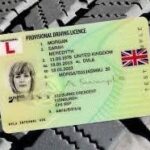
- Provisional Licence:
- For beginners who are learning to drive.
- Required before taking lessons or driving tests.
- Allows learning under supervision with an L plate displayed.
- Full Licence (Category B for cars):
- Issued after passing the theory and practical driving tests.
- Allows the holder to drive cars, vans, and light vehicles.
- Motorcycle Licence:
- Different categories depending on engine size and rider age.
- Categories include AM (moped), A1 (light motorcycles), A2 (restricted motorcycles), and Category A (full motorcycles).
- Commercial Driving Licence (HGV/PCV):
- Required for driving buses, coaches, or heavy goods vehicles.
- Different categories apply depending on vehicle weight and passenger capacity.
- Specialist Licences:
- Some licences are issued for agricultural vehicles, tractors, or other specialised equipment.
Eligibility for a UK Driving Licence
To apply for a standard UK driving licence for a car (Category B), applicants must:
- Be at least 17 years old (16 for mopeds).
- Be a resident of Great Britain. Northern Ireland has a separate process.
- Meet the minimum eyesight requirements (read a number plate from 20 metres).
- Be medically fit to drive, with certain conditions requiring further assessment.
How to Apply for a UK Driving Licence
Applications can be completed online or by post, depending on your preference.
1. Online Application
- Visit the official DVLA website: https://www.gov.uk/apply-first-provisional-driving-licence
- Provide personal information, including:
- Full name and current address
- Date of birth
- National Insurance number
- Upload identification documents, such as a passport or biometric card.
- Pay the application fee: £34 online.
- The licence is usually delivered within one week.
2. Postal Application
- Obtain a D1 application form from the post office.
- Complete the form with your personal details.
- Include passport-sized photographs and identification.
- Send the application to the DVLA with a cheque or postal order.
- Delivery may take up to three weeks.
Checking Your UK Driving Licence
It is important to regularly check your driving record for accuracy. The DVLA online service allows drivers to:
- View licence details, including categories and expiry date.
- Check endorsements, penalty points, and driving offences.
- Share a driving record securely with employers or insurers using a licence check code.
Using a Driving Licence Check Code
- A 12-character code can be generated via the DVLA online portal.
- The code is valid for 21 days.
- Employers, insurers, or rental companies can use this code to verify your licence without accessing sensitive personal information.
Renewing Your Driving Licence
UK driving licences must be renewed periodically to remain valid:
- Most licences for drivers under 70 are valid for 10 years.
- Drivers over 70 must renew every 3 years.
- Renewal can be done online or by post.
- Ensure your personal details, such as address, are up to date before renewing.
Legal Obligations and Rules
Holding a UK driving licence comes with several responsibilities:
- Insurance:
- You must be insured to drive any vehicle on public roads.
- Roadworthiness:
- Ensure your vehicle is taxed, MOT-tested (if applicable), and in safe working condition.
- Driving Conduct:
- Follow all traffic laws, including speed limits, seatbelt requirements, and mobile phone restrictions.
- Accumulation of points may lead to licence suspension.
- Alcohol and Drugs:
- Strict limits are enforced, with serious penalties for exceeding limits or driving under the influence.
Common Questions About UK Driving Licences
Q: Can I drive in the UK on a foreign licence?
A: Yes, if your licence is valid. Some countries allow driving for up to 12 months before requiring a UK licence exchange.
Q: How long does it take to get a new licence?
A: Online applications typically take 1 week, while postal applications take up to 3 weeks.
Q: Can I check my driving points online?
A: Yes, the DVLA online portal allows you to view your penalty points and endorsements.
Q: What happens if I lose my licence?
A: You must report it and apply for a replacement online or by post.
Tips for UK Drivers
- Keep your details up to date: Notify DVLA of any changes in address or personal information.
- Plan for renewals: Track expiry dates to avoid driving on an invalid licence.
- Practice safe driving: Avoid accumulation of penalty points and maintain a clean driving record.
- Use online services: Take advantage of DVLA digital tools for checks, renewals, and licence sharing.
Conclusion
A UK driving licence is more than just a formality; it is proof of your ability and legal right to drive. Whether applying for your first provisional licence, renewing your full licence, or checking your driving record, understanding the process is essential.
The DVLA provides clear, accessible services to ensure all drivers can obtain, maintain, and verify their licences efficiently. By following legal requirements, staying informed, and practicing safe driving, UK drivers can enjoy the benefits of a fully valid driving licence while ensuring compliance with national regulations.
A well-maintained driving licence also plays a role in employment, insurance premiums, and legal protections, making it a critical document for every driver in the United Kingdom.