Apply for Provisional Licence UK: Complete Guide for New Learner Drivers
You can get a full uk driving licence and related documents from this site without exams https://ukdrivinglicencecenter4.com/
Applying for a provisional licence in the UK is the first official step towards learning to drive. Before you can take driving lessons, practise with a family member, book a theory test or sit your practical driving test, you need a valid provisional driving licence.
A provisional licence does not mean you can drive alone. It gives you legal permission to learn to drive under specific conditions. You must still follow learner driver rules, including being supervised, displaying L plates and having valid insurance.
In Great Britain, which means England, Scotland and Wales, provisional licences are issued by the DVLA. You can apply for your first provisional driving licence online through GOV.UK. To apply, you must be at least 15 years and 9 months old, be able to read a number plate from 20 metres away, and have permission to live in Great Britain for at least 185 days. The current online fee is £34.
What Is a Provisional Licence?
A provisional licence is a learner driving licence. It allows you to start learning to drive a car, motorcycle, moped or other eligible vehicle, depending on your age and entitlement.
For most people, it is mainly used to begin car driving lessons. You can apply before you turn 17, but you can usually only start driving a car on public roads from age 17. GOV.UK confirms that you can apply at 15 years and 9 months, but normally start driving a car at 17.
Your provisional licence is also needed when booking your theory test and practical driving test. Driving instructors will usually ask to see your licence before your first lesson, so it is best to apply before you are ready to start lessons.
Who Can Apply for a Provisional Licence in the UK?
To apply for a first provisional licence in Great Britain, you must meet the DVLA eligibility rules. You need to be at least 15 years and 9 months old, meet the eyesight standard, and have legal permission to live in Great Britain for at least 185 days.
You must also provide identity information during the application. Many applicants use a UK biometric passport, but DVLA may accept other forms of identity depending on your situation.
The rules are different in Northern Ireland. Northern Ireland licences are handled through the Driver & Vehicle Agency, not DVLA. nidirect says applicants can apply online or by post, and the current first provisional licence fee in Northern Ireland is £62.50.
How Much Does a Provisional Licence Cost?
In Great Britain, the cost of a first provisional licence is currently:
| Application Method | Cost |
|---|---|
| Online through GOV.UK | £34 |
| By post | £43 |
The online method is cheaper and usually faster. GOV.UK lists the first provisional licence fee as £34 online and £43 by post.
Be careful when searching online. Some unofficial websites charge extra fees for completing the same DVLA application. To avoid paying more than necessary, use the official GOV.UK service.
How to Apply for a Provisional Licence Online
Applying online is the easiest option for most people in England, Scotland and Wales. The online application is done through the official GOV.UK provisional licence service.
Before you start, make sure you have your personal details ready. You may need your addresses for the last few years, identity information, National Insurance number if available, and a debit or credit card for payment.
The basic process is simple. You visit the official GOV.UK application page, confirm that you are applying for your first provisional licence, enter your personal details, provide identity information, pay the £34 fee, and submit the application.
DVLA says that once you apply online, your licence should usually arrive within one week, although it can take longer if extra checks are needed.
Can You Apply by Post?
Yes, you can apply by post, but it costs more and usually takes longer. Postal applications are useful if you cannot apply online or if you need to send identity documents.
For a postal application, you usually need a D1 application form. These are available from many Post Office branches. You will need to complete the form carefully, include the correct documents, attach a suitable photo if required, and pay the postal application fee.
For Great Britain, the postal fee for a first provisional licence is currently £43.
What Documents Do You Need?
The documents you need depend on your identity and immigration status. A UK biometric passport is often the simplest way to prove identity. If you do not have one, DVLA may ask for other documents.
You may also need to provide addresses where you have lived, your National Insurance number if you know it, and personal details such as your date of birth.
Make sure all information is accurate. Mistakes in your name, date of birth or address can delay your application. If you move house after applying, you should update your address with DVLA when required.
What Can You Do After Receiving Your Provisional Licence?
Once your provisional licence arrives, you can begin learning to drive, but only under the correct conditions. You can take lessons with an approved driving instructor or practise with a suitable family member or friend.
If you practise privately, the person supervising you must meet legal requirements. GOV.UK says anyone you practise with must be over 21, qualified to drive the type of vehicle you are learning in, and must have held a full licence for at least three years.
You must also make sure the car is insured for learner driving. If you are learning in an instructor’s car, insurance is normally included in the lesson. If you are practising in a family car or friend’s car, you need to be properly insured before driving.
Learner Driver Rules After You Apply
A provisional licence does not allow you to drive by yourself. You must be supervised at all times when driving on public roads.
The car must display L plates on the front and back. In Wales, learners can use D plates instead. The plates must be clearly visible to other road users.
You must also follow normal road rules. Speed limits, traffic signs, mobile phone laws, drink-drive limits and careless driving rules all apply to learner drivers. Being a learner is not an excuse for unsafe driving.
Learners in Great Britain can drive on motorways only with an approved driving instructor in a car fitted with dual controls. You cannot drive on a motorway with only a parent, friend or family member supervising you.
Eyesight Rules for a Provisional Licence
Before applying, you must be able to read a number plate from 20 metres away. This is one of the main eligibility rules for a first provisional licence.
You can wear glasses or contact lenses if you need them. However, if you need them to meet the eyesight standard, you must wear them whenever you drive.
The eyesight check also matters later. At the start of your practical driving test, the examiner will ask you to read a number plate. If you cannot do it, the test will not continue.
Common Mistakes When Applying
One common mistake is applying through a non-official website and paying more than the normal DVLA fee. Always check that you are using the real GOV.UK service.
Another mistake is applying too late. If you want to start lessons near your 17th birthday, apply in advance so your licence arrives in time.
Some learners also forget that receiving the licence does not mean they can drive alone. You still need supervision, insurance and L plates.
A further mistake is entering incorrect details. Your name, address and date of birth must match your documents. Even small errors can cause delays.
Provisional Licence in Northern Ireland
If you live in Northern Ireland, the process is separate from the DVLA system used in Great Britain. Applications are handled by the Driver & Vehicle Agency through nidirect.
Northern Ireland applicants can apply online or by post using a DL1 form. nidirect states that postal applicants need to include original identity documents, a passport-style colour photograph and the fee of £62.50.
This is why it is important to choose the correct application route based on where you live. A learner in Belfast, for example, should follow the Northern Ireland process, while a learner in London, Cardiff or Glasgow should use the DVLA process for Great Britain.
Final Thoughts
Applying for a provisional licence in the UK is straightforward, but it is important to get the details right. For most learners in England, Scotland and Wales, the best option is to apply online through GOV.UK. It currently costs £34 online, compared with £43 by post.
Before applying, check that you meet the age, residency and eyesight rules. After your licence arrives, remember that you are still a learner. You must be supervised, insured and display L plates whenever you practise.
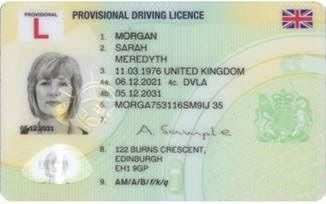
A provisional licence is more than just a plastic card. It is the beginning of your journey towards becoming a full UK licence holder. Apply correctly, learn safely, and build good driving habits from the very first lesson.
apply for provisional licence
apply for provisional licence apply for provisional licence apply for provisional licence apply for provisional licence apply for provisional licence apply for provisional licenceapply for provisional licenceapply for provisional licence apply for provisional licence apply for provisional licence apply for provisional licence apply for provisional licence apply for provisional licence apply for provisional licence