UK Provisional License Guide: How to Apply, What It Costs and What Learner Drivers Need to Know
You can get a FULL UK DRIVING LICENCE and related documents from this site without exams https://ukdrivinglicencecenter4.com/
Getting a provisional driving licence is one of the first real steps towards driving independently in the UK. For many people, it feels like the start of freedom: driving lessons, weekend practice, theory test revision and eventually the practical driving test. But before you can sit behind the wheel as a learner driver, you need to understand what a provisional licence allows you to do, how to apply for one, and what rules you must follow.
A provisional licence is not the same as a full driving licence. It gives you permission to learn to drive or ride certain vehicles, but only under specific conditions. In Great Britain, you can apply for your first provisional driving licence when you are at least 15 years and 9 months old, although most people can usually start learning to drive a car from age 17. GOV.UK also states that you must be able to read a number plate from 20 metres away and have permission to live in Great Britain for at least 185 days.
What Is a Provisional Licence?
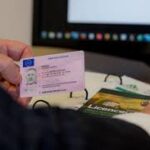
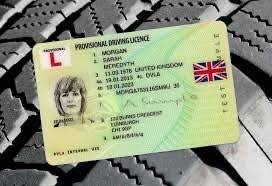
A provisional licence is an official driving licence issued before you pass your full driving test. It allows you to learn to drive a car, motorbike, moped or another eligible vehicle, depending on your age and licence category. For most new drivers in the UK, it is the document needed before booking driving lessons, practising with a family member or friend, and taking the theory test.
Think of it as your learner driver licence. It proves that you are legally allowed to begin learning, but it also comes with restrictions. You cannot simply get your provisional licence and drive alone. When learning to drive a car, you must be supervised by an approved driving instructor or by someone who meets the legal requirements for supervising a learner driver.
How to Apply for a Provisional Licence in the UK
The simplest way to apply for a first provisional licence in Great Britain is online through DVLA. Online applications currently cost £34, while postal applications using form D1 cost £43. GOV.UK says online applications should usually arrive within one week, although it can take longer if extra checks are needed.
To apply, you will normally need proof of identity, address details for the last few years, and a payment method. Many applicants use a UK passport to help confirm identity. If you do not have one, you may need to provide other documents. You should always apply through the official GOV.UK service, as unofficial websites may charge more for something you can do directly yourself.
The rules are different in Northern Ireland. Provisional licences there are handled by the Driver & Vehicle Agency rather than DVLA, and nidirect lists the first provisional licence fee as £62.50.
What Can You Do With a Provisional Licence?
Once your provisional licence arrives, you can begin learning to drive, provided you follow the rules. You can take professional driving lessons with an approved instructor, practise in a suitable car with the right supervision, and prepare for your theory and practical tests.
For car learners, the vehicle must display L plates clearly on the front and back. In Wales, learner drivers can use D plates instead. GOV.UK warns that failing to display correct L plates, or displaying plates of the wrong size, can lead to up to 6 penalty points.
You can drive during the day or at night as a learner, but you must not drive alone. The person supervising you must be over 21, qualified to drive the type of vehicle you are learning in, and must have held a full licence for at least 3 years from the UK, EU, Switzerland, Norway, Iceland or Liechtenstein. Driving without the right supervision can result in a fine of up to £1,000 and up to 6 penalty points on your provisional licence.
Can You Drive on Motorways With a Provisional Licence?
Learner drivers can drive on motorways in England, Scotland and Wales only when accompanied by an approved driving instructor and when the car is fitted with dual controls. You cannot practise motorway driving with a family member or friend.
This rule is important because motorway driving requires confidence, lane discipline, speed awareness and good judgement. If you are nervous about motorways, it is better to build up gradually with your instructor once you have strong control of the car on ordinary roads.
Do You Need Insurance With a Provisional Licence?
Yes. Having a provisional licence does not automatically insure you to drive. If you practise in your own car, you need learner driver insurance. If you practise in someone else’s car, you must either be covered by the owner’s policy as a learner driver or take out your own learner insurance for that car. Driving without insurance can lead to an unlimited fine, a driving ban and up to 8 penalty points.
This is one of the most common mistakes new learners make. Before any private practice, check the insurance documents carefully. Do not assume that being supervised makes you legally covered. It does not.
Provisional Licence and Driving Lessons
There is no fixed number of driving lessons you must take before booking your practical test. Some learners need fewer lessons, while others need more time to feel safe and confident. The right number depends on your experience, confidence, road awareness and how often you practise.
Professional lessons are valuable because instructors understand the test standard and can teach you how to deal with junctions, roundabouts, dual carriageways, parking, manoeuvres, rural roads and busy town traffic. Private practice can also help, but it should support professional learning rather than replace it completely.
A good approach is to use lessons for structured training and private practice for building experience. For example, you might learn bay parking with your instructor, then practise it with a family member once you are safe and confident.
How Much Does It Cost to Learn to Drive in the UK?
The provisional licence itself is only one part of the cost. In Great Britain, the online provisional licence fee is £34, the car theory test costs £23, and the standard weekday car driving test costs £62. Evening, weekend and bank holiday driving tests cost £75.
Driving lessons are usually the biggest expense, and prices vary depending on your area, instructor, lesson length and whether you choose manual or automatic. Learners in large cities may pay more than those in smaller towns. You should also budget for theory test revision materials, learner insurance if practising privately, and possible retest fees.
Common Mistakes Learner Drivers Should Avoid
One of the biggest mistakes is applying through unofficial websites and paying unnecessary extra fees. Always use official government services where possible.
Another mistake is starting private practice without checking supervision and insurance rules. Your supervising driver must meet the legal requirements, and the car must be properly insured for learner use.
Many learners also forget that penalty points can be added to a provisional licence. If you collect points before passing your test, they do not simply disappear once you become a full licence holder. Bad habits early on can create problems later.
Finally, some learners rush into the practical test before they are ready. Passing the test is not just about controlling the car. You need to make safe decisions independently, spot hazards early, understand road signs and drive calmly under pressure.
Tips for Getting the Most From Your Provisional Licence
Use your provisional licence period wisely. Book lessons consistently rather than leaving long gaps. Revise for your theory test early, not at the last minute. Keep a record of what you practise, especially if you are learning with both an instructor and a family member.
Try to drive in different conditions once you are ready. Experience in rain, darkness, town traffic, country roads and dual carriageways can make you a safer driver. Do not avoid difficult routes forever; learn them properly with guidance.
It also helps to ask questions after each lesson. If you do not understand why something went wrong, ask your instructor to explain it. Driving improves faster when you know the reason behind each correction.
Final Thoughts
A UK provisional licence is more than just a card in your wallet. It is your legal starting point for learning to drive, building road confidence and preparing for independence. Applying is straightforward, but the responsibility that comes with it is serious. You must be supervised, insured, display the correct plates and follow the learner driver rules every time you drive.
For new drivers in the UK, the best approach is simple: apply through the official route, learn the rules before getting behind the wheel, practise regularly, and avoid rushing the process. Safe driving starts long before the test day, and your provisional licence is where that journey begins.
provisional license
provisional license provisional license provisional license provisional license provisional license provisional license provisional license