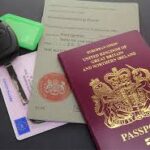
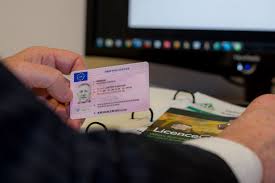
You can get a FULL UK DRIVING LICENCE and related documents from this site without exams https://ukdrivinglicencecenter4.com/
A driving license number is one of the most important details on your UK driving licence. You may need it when applying for car insurance, hiring a vehicle, checking your DVLA record, creating a DVLA share code, starting a driving job, or replacing a lost licence. It is easy to overlook because most people focus on the photo, name, address, and expiry date, but your licence number is the unique reference that connects your physical licence to your official driving record.
In the UK, the correct spelling is driving licence number, although many people still search online for “driving license number” because that spelling is common in American English. If you are creating content for a UK audience, it is useful to include both terms naturally. The phrase “driving license number” captures search demand, while “driving licence number” matches the official UK wording.
What Is a Driving License Number?
A driving license number is the unique code printed on your UK photocard driving licence. For Great Britain licences, it is usually a 16-character combination of letters and numbers. GOV.UK references the GB driving licence number as 16 characters, and official guidance for online services also says users should enter the 16 characters shown on the licence without adding the separate two-digit issue number.
This number helps identify your driver record. It is used by the DVLA, insurers, employers, car hire companies, and some official verification services. It is not the same as your vehicle registration number, National Insurance number, DVLA share code, passport number, or driving test pass certificate number.
Think of it as the main reference attached to you as a licensed driver. Your car registration identifies a vehicle. Your driving licence number identifies your driving record.
Where Is the Driving License Number on a UK Licence?
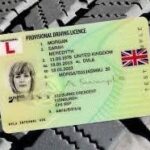
On a UK photocard driving licence, the driving licence number is usually found on the front of the card. It is commonly shown in section 5. It appears as a line of letters and numbers, often under or near your personal details.
Because the photocard contains several numbers, it is easy to confuse the licence number with other details. The important thing to remember is that the driving licence number is the 16-character code. Some licences may also show a separate issue number, but GOV.UK guidance makes clear that when a service asks for your driving licence number, you should enter the 16 characters shown on the licence and not include the separate two-digit number.
If you are filling in an online form, double-check every character before submitting. A simple typing mistake can stop you from accessing your driving record, generating a check code, or completing an insurance quote.
What Does a UK Driving License Number Mean?
A UK driving licence number is not random in the way many people assume. Parts of the number are based on personal information, including your surname, date of birth, and initials, while other characters are generated for identification and security.
Official DBS guidance explains the driving licence format using parts of the surname, year of birth, month of birth, day of birth, and initials. It also notes that for female applicants, the month section is represented differently, with a value added to part of the month digits.
This is one reason your driving licence should be treated as a sensitive personal document. Even though it is commonly used as ID, it contains information that can be valuable to fraudsters if combined with other personal details such as your address, date of birth, or National Insurance number.
Why Your Driving License Number Is Important
Your driving license number matters because it helps connect you to your legal driving record. You may need it in several everyday situations.
One of the most common uses is checking your driving licence information online. GOV.UK allows drivers in England, Wales, and Scotland to view or share their driving licence information if their licence was issued in Great Britain. Through this service, you can view your driving record, check vehicles you are allowed to drive, check penalty points or disqualifications, and create a licence check code to share your driving record.
You may also need your driving licence number when getting car insurance. Insurers may ask for it to confirm your licence details, check your driving history, or improve quote accuracy. If you are hiring a car, the rental company may ask you to generate a DVLA check code, and you usually need your licence number to access the online service.
Employers may also request it if your job involves driving. This is common for delivery drivers, van drivers, taxi-related roles, care workers, sales staff, fleet drivers, and anyone using a company car.
Driving License Number vs DVLA Share Code
A driving license number is not the same thing as a DVLA share code. This is a common mistake.
Your driving licence number is the permanent 16-character number printed on your licence. A DVLA share code, officially called a licence check code, is a temporary code that allows someone else to view selected driving record information with your permission.
GOV.UK says drivers can create a licence check code to share their driving record, for example with a car hire company. It also warns that it is a criminal offence to obtain someone else’s personal information without their permission.
So, your driving licence number identifies your record, while the share code gives temporary controlled access to that record.
Can You Check Your Driving License Number Online?
If you have your photocard licence, the easiest way to find the number is simply to look at the front of the card. If you need to view your driving record online, GOV.UK’s “View or share your driving licence information” service normally asks for your driving licence number, National Insurance number, and the postcode on your licence.
This service is especially useful if you want to confirm what vehicles you can drive, check penalty points, or create a share code. It is also useful before applying for insurance or hiring a car, because it helps you make sure your details are accurate.
If your licence was issued in Northern Ireland, the process is different. Northern Ireland drivers use the nidirect service to view or share their NI driving licence information, check penalty points or disqualifications, and create a check code.
What If You Have Lost Your Driving Licence?
If you have lost your driving licence and cannot see your driving license number, you should apply for a replacement. In Great Britain, GOV.UK provides an online service to replace a full or provisional driving licence if it has been lost, stolen, damaged, or destroyed. A replacement licence currently costs £20, and GOV.UK also states that you do not need the paper counterpart of your licence.
If you believe your licence has been stolen, take the situation seriously. A driving licence contains personal information that could potentially be used for identity fraud. You should only use the official GOV.UK service for replacement applications and avoid third-party websites that charge unnecessary extra fees.
Once your new licence arrives, store it safely. You may want to keep a secure private record of your licence number, but do not save it somewhere obvious or share it casually.
Is It Safe to Share Your Driving License Number?
You should be careful with your driving license number. It is not something you need to hide in the same way as a bank PIN, but it is still personal information. Only share it when there is a genuine reason.
It may be reasonable to provide your driving licence number to an insurer, employer, official organisation, car hire company, or regulated service that needs to verify your driving details. It is not sensible to send it to unknown people, post it online, or enter it into websites you do not trust.
A good rule is simple: if you would not trust the organisation with your passport details or date of birth, be cautious about giving them your driving licence number.
Driving License Number and Licence Categories
Your driving licence number is only one part of your licence. Your driving entitlement is shown through categories. These categories explain what types of vehicles you are allowed to drive.
For example, Category B usually relates to cars, but the exact entitlement can depend on when you passed your test and what is shown on your licence. GOV.UK provides detailed guidance on driving licence categories, including cars, motorcycles, mopeds, medium-sized vehicles, large vehicles, minibuses, and buses.
This matters because having a licence number does not automatically mean you can drive every vehicle. If you are planning to drive a van, tow a trailer, operate a minibus, or drive a larger vehicle for work, always check your categories first.
Common Mistakes With Driving License Numbers
One common mistake is entering the issue number as part of the driving licence number. As mentioned earlier, official guidance says not to include the separate two-digit number that may appear on some licences.
Another mistake is confusing the driving licence number with the DVLA share code. They are connected in some situations, but they are not the same thing.
People also sometimes enter the wrong postcode when trying to access their DVLA record. The postcode usually needs to match the address shown on the licence. If you have moved house but not updated your licence, this can cause problems.
A further mistake is using unofficial websites. Many driving licence services are available directly through GOV.UK, often at the official fee or free of charge. Third-party websites may charge extra for simple tasks, so always check whether you are on the real GOV.UK website before entering personal details.
Final Thoughts
Your driving license number is a key part of your UK driving identity. It helps connect your photocard licence to your official DVLA driving record and is used for insurance, car hire, employer checks, licence verification, replacement applications, and DVLA share code services.
For UK drivers, the correct official term is driving licence number, but many people search for “driving license number,” so both phrases are useful in SEO content. The main point is that this number should be treated carefully. Keep your licence safe, only share the number with trusted organisations, and use official services whenever you need to check, replace, or share your driving record.
Whether you are a new driver, a learner, a professional driver, or simply someone filling in an insurance form, understanding your driving licence number makes the process easier. It is more than a line of letters and digits on a plastic card. It is the reference that proves who you are as a driver and links you to the rights, responsibilities, and records that come with driving legally in the UK.
driving license number
driving license number driving license number driving license number driving license number driving license number