Driver Licence UK: Complete Guide for New and Existing Drivers
You can get a full uk driving licence and related documents from this site without exams https://ukdrivinglicencecenter4.com/
A driver licence is one of the most important documents for anyone who wants to drive legally in the UK. In Britain, the official term is usually driving licence, but many people also search online for “driver licence” when they want information about applying, renewing, replacing or updating their licence. Whether you are a learner driver, a new resident, a car owner or someone renewing an old photocard, understanding how the UK driving licence system works can save time, stress and money.
In the UK, driving licences are managed by the Driver and Vehicle Licensing Agency, commonly known as the DVLA. The DVLA handles licence applications, renewals, address updates, lost licence replacements, medical declarations and many other driver-related services in Great Britain. Northern Ireland has a separate system through the DVA, so drivers there should use the correct Northern Ireland service.
What Is a UK Driver Licence?
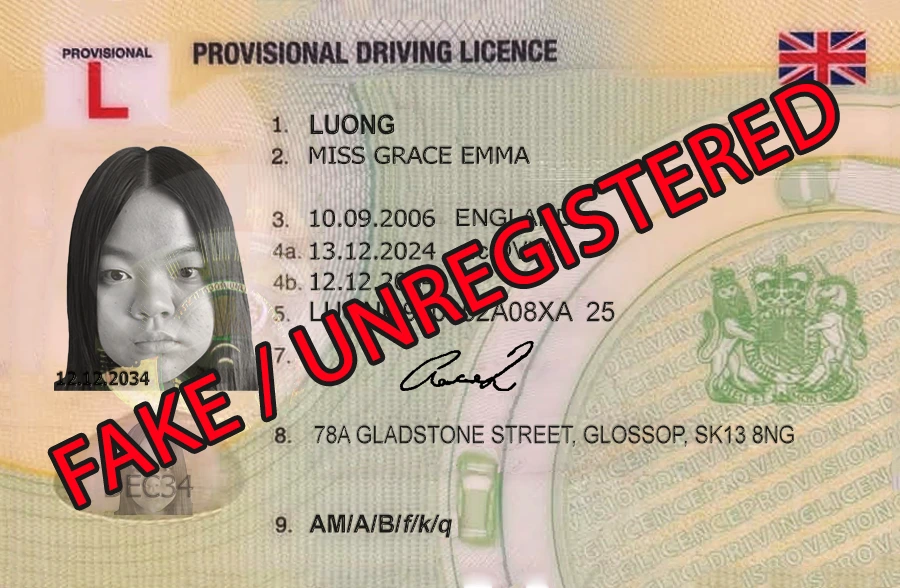
A UK driver licence is an official document that proves you are legally allowed to drive certain types of vehicles. It shows your personal details, licence number, photograph, signature, vehicle categories and important validity dates.
Most drivers now have a photocard driving licence. This card includes your name, date of birth, photograph, address and driving entitlement categories. Your driving licence is not only useful for driving; it is also widely accepted as photo identification in many everyday situations.
However, the main purpose of a driving licence is to prove that you have permission to drive. Driving without the correct licence can lead to serious penalties, so it is important to make sure your licence is valid and suitable for the vehicle you use.
Provisional Driver Licence in the UK
Before you can learn to drive a car on public roads in Great Britain, you normally need a provisional driving licence. This allows you to take driving lessons, practise with supervision and book your theory test.
A provisional licence is the first step for most learner drivers. You can apply online through GOV.UK. To apply, you usually need to meet age and eyesight requirements, provide identity details, give your address history and pay the application fee.
Once you have your provisional licence, you can start learning to drive, but there are rules. You must be supervised by someone who meets the legal requirements, and the vehicle must display L plates in England, Scotland and Wales. Learner drivers are not allowed to drive alone.
Full UK Driving Licence
A full UK driving licence is issued after you pass the required driving tests. For car drivers, this usually means passing both the theory test and the practical driving test. After passing, your provisional licence can be exchanged for a full licence.
A full driving licence gives you more freedom, but it also comes with responsibility. You must drive safely, obey speed limits, follow road signs, keep your vehicle insured and make sure your licence remains valid.
New drivers should also remember that the first two years after passing are especially important. If you build up too many penalty points during this period, your licence can be revoked, meaning you may need to apply again and retake tests.
How to Apply for a Driver Licence in the UK
The easiest way to apply for a provisional driving licence is through the official GOV.UK website. GOV.UK lists driving licence services including applying for a first provisional licence, renewing a licence, replacing a lost licence and viewing or sharing driving licence information.
You should avoid unofficial websites that charge extra fees for simple DVLA services. Some third-party sites may look official, but they can add unnecessary costs. For most drivers, GOV.UK is the safest and clearest place to start.
When applying, make sure your details are correct. A small spelling mistake in your name or address can delay your application. You should also use your real residential address and keep your records updated if you move.
Renewing a UK Driver Licence
A UK photocard driving licence normally needs to be renewed every 10 years. GOV.UK states that renewing a full or provisional photocard driving licence costs £14 online and that you must renew the photocard every 10 years.
Renewing your licence is important because the photo and card validity must stay current. The expiry date is shown on the front of your photocard. Many drivers forget to check this date, especially if they have been driving for years without needing to use their licence for anything else.
If you are aged 70 or over, renewal rules are different. Drivers over 70 usually need to renew more regularly, and the renewal is free in many standard cases. You may also need to confirm that you meet medical requirements for driving.
Changing Address on a Driving Licence
If you move home, you should update your driving licence address with the DVLA. This is one of the most common licence updates in the UK. It is usually free and can often be done online.
Keeping your address correct matters because DVLA letters and official driving information may be sent to the address on your record. If your old address remains on your licence, you could miss important notices.
It is also important to remember that changing your driving licence address does not automatically update your vehicle log book, also called the V5C. If you own or keep a vehicle, you may need to update your V5C separately.
Lost, Stolen or Damaged Driver Licence
If your driving licence is lost, stolen, damaged or destroyed, you can apply for a replacement. GOV.UK lists replacement of a lost, stolen, damaged or destroyed driving licence as one of the main driving licence services.
A lost licence should be handled quickly because it contains personal information. If you believe your licence was stolen, it may also be sensible to report it to the police. Replacing the licence helps protect your identity and ensures you have valid proof of your driving entitlement.
Checking and Sharing Your Driving Licence Information
In the UK, employers, hire car companies and insurers may sometimes need to check your driving licence information. GOV.UK provides a service to view or share your driving licence information.
This can show details such as the vehicles you can drive, penalty points and disqualifications. It is useful because the old paper counterpart system is no longer used in the same way for many drivers.
Driver Licence Categories
Your driving licence includes categories that show what vehicles you are allowed to drive. For example, a standard car licence usually includes category B. Other categories may relate to motorcycles, buses, lorries, trailers or specialist vehicles.
Do not assume that a car licence allows you to drive every type of vehicle. Larger vehicles, towing combinations and motorcycles may require extra tests or entitlements. If you are unsure, check your licence categories before driving.
Medical Conditions and Driving Licence Rules
Drivers must tell DVLA about certain medical conditions that may affect safe driving. This can include some eyesight problems, neurological conditions, heart conditions, diabetes treated in certain ways and other health issues.
This does not always mean your licence will be taken away. In many cases, DVLA simply needs to assess whether you can continue driving safely. The key point is honesty. Failing to report a relevant medical condition can cause legal and insurance problems.
Common Driver Licence Mistakes
Many UK drivers make simple mistakes with their driving licence. The most common include forgetting to renew the photocard, not updating the address after moving, using unofficial websites, ignoring medical reporting rules and assuming the V5C log book updates automatically.
Another mistake is not checking the expiry date. Your licence may feel like a permanent document, but the photocard has a renewal date. Checking it once or twice a year can help you avoid last-minute problems.
Final Thoughts
A driver licence in the UK is more than just a plastic card. It is proof that you are legally allowed to drive and an important part of your official motoring record. Whether you are applying for your first provisional licence, upgrading to a full driving licence, renewing your photocard or changing your address, it is worth keeping your DVLA details accurate.
For the best results, use official GOV.UK services, check your licence expiry date, update your address when you move and make sure your driving categories match the vehicle you use. A few minutes of licence admin can help you avoid fines, delays and unnecessary stress.
driver licence