UK Driving License Guide: Everything You Need to Know Before You Drive
You can get a FULL UK DRIVING LICENCE and related documents from this site without exams https://ukdrivinglicencecenter4.com/
Getting a UK driving licence is one of those life steps that feels exciting, practical, and slightly overwhelming at the same time. Whether you are a teenager preparing for your first driving lesson, a new resident trying to understand the UK system, or an experienced driver checking renewal rules, knowing how the process works can save you time, money, and stress.
In the UK, the correct term is driving licence, not “driving license” as commonly used in American English. For most drivers in Great Britain, the process is managed by the Driver and Vehicle Licensing Agency, better known as the DVLA. Northern Ireland has a separate process, so it is important to check the correct rules if you live there.
What Is a UK Driving Licence?
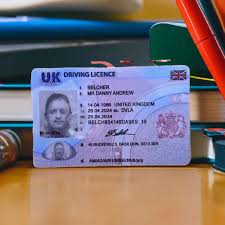
A UK driving licence is an official document that shows you are legally allowed to drive specific types of vehicles. It also acts as a widely accepted form of ID because it includes your name, photo, date of birth, address, and driving entitlement.
Your licence is not just a card that lets you drive any vehicle. It includes different driving licence categories, which show whether you can drive cars, mopeds, motorcycles, vans, minibuses, buses, or larger goods vehicles. For most everyday drivers, the key category is Category B, which covers standard cars. GOV.UK provides official guidance on licence categories and what each one allows you to drive.
Provisional Driving Licence in the UK
Before you can start learning to drive a car on public roads, you need a provisional driving licence. This is the first licence most new drivers apply for.
You can apply for your first provisional driving licence when you are 15 years and 9 months old. However, you can usually only start driving a car when you are 17. To apply, you must also be able to read a number plate from 20 metres away and have permission to live in Great Britain for at least 185 days. Applying online currently costs £34 through GOV.UK.
Once you have your provisional licence, you can start taking driving lessons with an approved driving instructor. You can also practise with a suitable supervising driver, but you must follow learner driver rules, including displaying L plates clearly on the vehicle.
How to Apply for a UK Driving Licence
The easiest way to apply for a provisional licence is online through the official GOV.UK service. You will usually need proof of identity, your address history, and payment details. If you have a valid UK passport, you can normally use your passport number as part of the identity check instead of sending the physical passport.
Be careful when searching online for driving licence services. Many third-party websites charge extra fees for things you can do directly through GOV.UK. To avoid unnecessary costs, always use the official government website where possible.
Learning to Drive in the UK
Learning to drive is not only about controlling the car. It is about building judgement, awareness, patience, and confidence. UK roads can be busy and varied, especially if you are learning in a city or town with roundabouts, bus lanes, cyclists, narrow streets, and heavy traffic.
A good driving instructor will help you understand road positioning, mirrors, speed control, hazard awareness, parking, junctions, dual carriageways, and safe decision-making. While there is no fixed number of lessons required by law, most learners need consistent practice before they are test-ready.
GOV.UK states that you can apply for a provisional licence at 15 years and 9 months, and you can usually start driving a car at 17. The rules may differ if you have a disability or long-term health condition.
The UK Theory Test
Before you can book your practical car driving test, you usually need to pass the theory test. The theory test checks your understanding of road signs, rules, hazards, safe driving behaviour, and the Highway Code.
The test includes multiple-choice questions and a hazard perception section. Many learners underestimate the theory test because they focus mostly on driving lessons. In reality, passing the theory test early can give you more confidence on the road because you understand why certain rules exist.
GOV.UK offers official practice theory tests based on similar topics to the real test, although the exact questions are not used in the live test.
The Practical Driving Test
The practical driving test is where you show that you can drive safely and independently. It normally includes general driving, one reversing manoeuvre, independent driving, and possibly an emergency stop. The examiner is not looking for perfection; they are looking for safe, legal, and controlled driving.
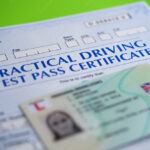
When you go to your practical test, you must take your UK driving licence. You should also take your theory test pass certificate if you have it, and you need a suitable car for the test. GOV.UK warns that your test can be cancelled without a refund if you do not bring the right things.
You can book the official DVSA practical driving test through GOV.UK. Car practical driving tests currently start from £62, depending on the test type and timing.
Full UK Driving Licence
Once you pass your practical driving test, you can get your full UK driving licence. For many people, this is the real moment of freedom. You no longer need L plates, and you can drive independently within the rules of your licence category.
However, passing the test is not the end of learning. New drivers should still take extra care, especially in bad weather, at night, on motorways, and in unfamiliar areas. Confidence is useful, but overconfidence can be dangerous.
If you have just passed, it is smart to build experience gradually. Start with familiar routes, avoid unnecessary distractions, and keep improving your observation skills. Safe driving is a long-term habit, not just something you do for the test.
Renewing a UK Driving Licence
Photocard driving licences do not last forever. In Great Britain, you must renew a photocard driving licence every 10 years. GOV.UK says renewal online currently costs £14, and you should receive a reminder before your current licence expires.
Drivers aged 70 or over must renew their driving licence, but online renewal is free. GOV.UK says this applies if you are 70 or over, or will be 70 in the next 90 days, and you meet the relevant conditions, including eyesight and residency requirements.
It is important not to ignore renewal dates. Driving with an expired licence can create legal and insurance problems. Even if you feel nothing has changed, the DVLA still needs your details and photo to remain up to date.
Lost, Stolen, or Damaged Driving Licence
If your driving licence is lost, stolen, damaged, or destroyed, you can apply for a replacement. GOV.UK says a replacement licence currently costs £20. You do not need the old paper counterpart of your licence.
If your licence has been stolen, it may also be worth reporting it, especially because a driving licence contains personal details that could potentially be misused.
Common UK Driving Licence Mistakes
One common mistake is using unofficial websites and paying more than necessary. Another is forgetting to update your address. Your driving licence should show your current address, even if you do not drive every day.
Some drivers also misunderstand licence categories. For example, passing a car test does not automatically mean you can drive every type of van, trailer, minibus, or larger vehicle. Always check your entitlement before driving a vehicle you are not used to.
Another mistake is leaving test preparation too late. Many learners book a practical test before they are truly ready because waiting lists can be frustrating. But taking the test too early often leads to failure, wasted money, and lower confidence.
Final Thoughts
A UK driving licence is more than a legal document. It gives you independence, flexibility, and more control over your daily life. But the process works best when you take it step by step: apply for your provisional licence, learn properly, pass your theory test, prepare carefully for your practical test, and keep your licence details updated.
Whether you are applying for the first time, renewing your photocard, replacing a lost licence, or checking which vehicles you are allowed to drive, the safest route is to use official GOV.UK services. That way, you avoid unnecessary fees, outdated advice, and unreliable information.
A good driver is not just someone who passes the test. A good driver keeps learning, stays calm, respects other road users, and understands that every journey is a responsibility.
driving license
driving license driving license driving license driving license driving license