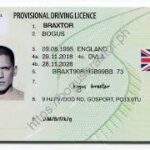

dvla summary Unlock the Full Benefits of DVLA Services in the UK – Your Complete Guide
You can get a FULL UK DRIVING LICENCE and related documents from this site without exams https://ukdrivinglicencecenter4.com/
The Driver and Vehicle Licensing Agency (DVLA) is a cornerstone of road safety and vehicle administration in the United Kingdom. Whether you are a new driver, an experienced motorist, or a vehicle owner, understanding how to navigate DVLA services can make your life on the road much smoother. This guide explores all aspects of the DVLA in the UK, including driving licences, vehicle registration, online services, and tips for hassle-free administration.
What is the DVLA?
The DVLA is a UK government organization responsible for maintaining a database of drivers and vehicles. Based in Swansea, Wales, the DVLA ensures that drivers are licensed correctly and that vehicles meet legal requirements. Its core mission is to promote road safety, manage vehicle taxation, and facilitate licensing processes for individuals and businesses alike.
With millions of drivers and vehicles in the UK, the DVLA plays an essential role in maintaining order and safety on the roads. From issuing driving licences to managing vehicle excise duty (commonly known as road tax), the DVLA’s services touch almost every motorist in the country.
DVLA Driving Licence Services
Applying for a Driving Licence
Whether you are a first-time driver or moving to the UK from another country, the DVLA makes it straightforward to apply for a driving licence. The process involves submitting your personal details, proof of identity, and, in some cases, your medical history.
The UK offers both provisional licences for beginners and full licences for qualified drivers. Provisional licences allow learners to drive under supervision, providing a safe way to gain experience before taking the full driving test.
Renewing a Driving Licence
A common reason for interacting with the DVLA is driving licence renewal. Licences need to be renewed every 10 years for adults, and more frequently for those with specific medical conditions. Renewing online is often faster and more convenient than sending forms by post, and the DVLA has optimized its online platform for quick and easy applications.
Replacing a Lost or Stolen Licence
If your driving licence is lost, stolen, or damaged, the DVLA allows you to replace it quickly. You can do this online or via post, ensuring minimal disruption to your driving privileges.
Vehicle Registration and Tax
Registering a New Vehicle
All vehicles in the UK must be registered with the DVLA before they can be legally driven on the road. Vehicle registration involves providing details about the vehicle’s make, model, and ownership. Once registered, the vehicle is assigned a unique registration number, which is used to track ownership and taxation.
Paying Vehicle Tax
Vehicle Excise Duty (VED), commonly known as road tax, is a legal requirement for all vehicles driven or parked on public roads in the UK. The DVLA manages VED collection, and payments can be made online, by post, or through authorized outlets. Renewing your vehicle tax promptly helps avoid fines and legal complications.
Transferring Vehicle Ownership
When buying or selling a vehicle, the DVLA oversees the transfer of ownership to ensure that records are accurate. This process protects both buyers and sellers and ensures that future responsibilities, such as road tax and insurance, are clearly defined.
DVLA Online Services
In today’s digital world, the DVLA has embraced online services to simplify vehicle and driver management. The online portal allows you to:
- Renew driving licences
- Replace lost or stolen licences
- Check vehicle tax and MOT status
- Update personal details
- Transfer vehicle ownership
These digital services save time, reduce paperwork, and allow drivers to manage their legal responsibilities from the comfort of their home.
Common DVLA Queries
Many UK residents have similar questions when interacting with the DVLA. Here are some of the most frequently asked queries:
- How long does a DVLA driving licence take to arrive?
- Typically, a licence takes 1–3 weeks to arrive by post after approval.
- Can I drive before receiving my new licence?
- If you applied for a renewal or replacement and your old licence is still valid, you may continue to drive legally until your new licence arrives.
- What documents do I need to register a vehicle?
- You’ll need proof of identity, vehicle details, and a completed V5C registration form (logbook).
- How do I check if my vehicle tax is up to date?
- Use the DVLA online service by entering your vehicle registration number for instant results.
DVLA Safety and Compliance
The DVLA is not just about paperwork—it also contributes to road safety and compliance. By ensuring that drivers are qualified and vehicles are taxed and registered, the DVLA reduces accidents and fraud. Staying compliant with DVLA rules helps avoid penalties, fines, and potential legal issues.
Tips for a Smooth DVLA Experience
- Keep your details updated: Always inform the DVLA of address or personal changes.
- Use online services: Save time and avoid postal delays by using the DVLA online portal.
- Plan ahead: Renew licences and vehicle tax well before expiry to avoid last-minute stress.
- Keep records: Maintain copies of forms, receipts, and correspondence with the DVLA for reference.
By following these tips, you can enjoy a seamless and positive experience with the DVLA.
Conclusion
The DVLA in the UK is an essential service for every driver and vehicle owner. From licensing and vehicle registration to tax compliance and online management, the DVLA helps maintain a safe and efficient road system. Understanding its services, following legal requirements, and utilizing online tools can save time, reduce stress, and ensure you are always on the right side of the law.
With proper knowledge and a proactive approach, dealing with the DVLA becomes a smooth and hassle-free part of driving life in the UK. Whether you are renewing your licence, registering a new car, or checking your vehicle tax, the DVLA is there to make your journey safer, simpler, and more efficient.
dvla summary
dvla summary dvla summary dvla summary dvla summary dvla summary dvla summary dvla summarydvla summary